
Tour Operations: How to Save 10 Hours Every Week
September 13, 2026
Read More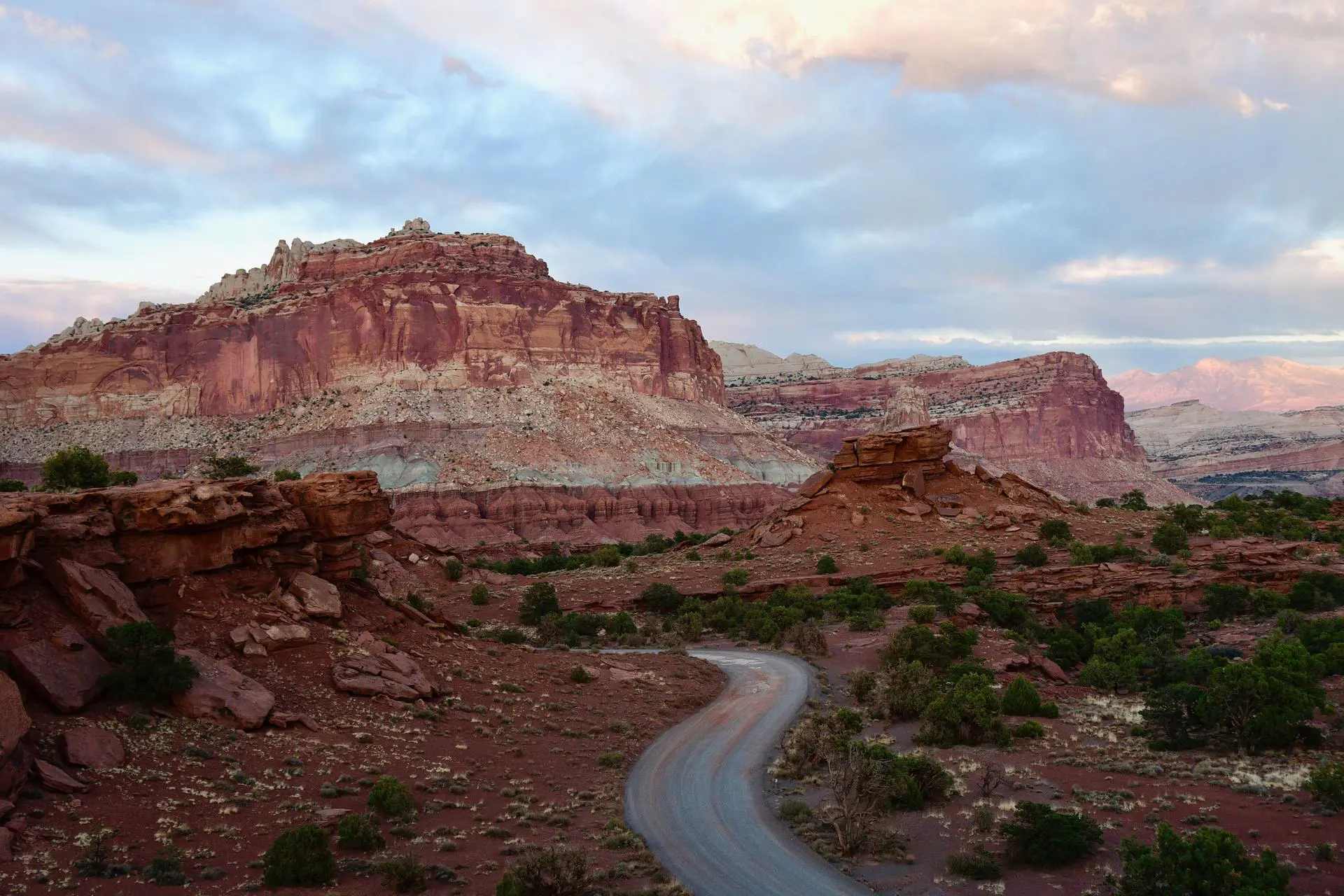
If your 2027 itineraries include a national park, now is the time to check your paperwork. On October 7, 2026, the National Park Service updated its road-based commercial tour (RBCT) CUA page with the 42 park units that will require RBCT Commercial Use Authorizations for 2027.
Some names on the list are the ones you would expect – Grand Canyon, Yosemite, Acadia. Others may catch a history or student tour operator off guard: Minute Man National Historical Park, San Antonio Missions National Historical Park, Lyndon B. Johnson National Historical Park, and Steamtown.
If you are selling 2027 departures now, here is what to check before the season fills up.
An NPS commercial use authorization (CUA) allows a business to conduct commercial activities and provide specific visitor services inside a national park unit. According to the NPS, a CUA is required when your services for park visitors take place at least partly on NPS-managed land, use park resources, and result in compensation or profit, and a concession contract is not necessary.
Starting with the 2026 season, the NPS defines a road-based commercial tour as one or more people traveling:
RBCT holders provide only services incidental to road-based travel, such as on-board interpretation and stops at visitor centers, restaurants, and wayside exhibits. A park superintendent may also allow minor extras, like a guided day hike.

Here are the 42 units the NPS lists as requiring RBCT CUAs for 2027:
Acadia, Arches, Badlands, Bandelier, Black Canyon of the Gunnison, Bryce Canyon, Canyonlands, Capitol Reef, Colorado National Monument, Crater Lake, Death Valley, Ebey’s Landing, Glacier, Golden Gate National Recreation Area, Grand Canyon, Great Smoky Mountains, Guadalupe Mountains, Hawai’i Volcanoes, Hot Springs, Hovenweep, Joshua Tree, Kaloko-Honokōhau, Lassen Volcanic, Lyndon B. Johnson, Mesa Verde, Minute Man, Mount Rainier, Natchez Trace Parkway, Natural Bridges, Olympic, Pecos, Pu’uhonua o Hōnaunau, Redwood, Saguaro, San Antonio Missions, San Juan Island, Sequoia and Kings Canyon, Shenandoah, Steamtown, Valles Caldera, Virgin Islands, and Yosemite.
Not every park requires one. Each park superintendent decides whether road-based tours need a CUA, and park-specific conditions vary.
Quick tip: Pull every 2027 trip that touches an NPS unit and mark it against the list. Ten minutes now beats a scramble in March.
The NPS says the business that assumes responsibility and liability for the clients traveling in the park must hold the RBCT CUA. Most often, that is the tour operator who accompanies paying clients. It can also be a tour packager that sells the tour to a third party, in which case the packager is responsible for that third party while it operates in the park.
What about your motorcoach company? Motorcoach operators providing chartered transportation only do not need an RBCT CUA. Some parks may require a separate Transportation CUA from transportation-only operators who are not working under a tour provider’s RBCT CUA, but the NPS says parks will not require both an RBCT CUA and a Transportation CUA for a single trip.
Quick tip: Put it in writing. Your contract with each motorcoach partner should state who holds the CUA for each park on the itinerary.
Vehicles with fewer than 16 passenger seats do not qualify for an RBCT CUA. Depending on the park, you may need a different CUA, such as a Guided Interpretive Tour CUA, or no CUA at all. Sequoia and Kings Canyon, for example, requires a Guided Interpretive Tour CUA for operators using vehicles under 16 passengers.

Applications go through the NPS online CUA system. You apply separately for each park, but your user profile stores your business information and documents for reuse. The NPS has also updated the system to show each park’s application window, conditions, and fees even when that park is not currently accepting applications.
Windows vary by park. Sequoia and Kings Canyon, for instance, confirms an RBCT CUA is required in 2027 and that its application window closes September 30, 2027. Every application carries a non-refundable application fee for each park, so check the current fee in the system before you budget.
Then there is the follow-through: CUA holders file an annual CUA report due at the end of February for the previous operating year, and some parks also require monthly reports. Missing reports can lead to denial of your next application.
RBCT applicants must show proof of commercial general liability insurance that lists the United States of America as an additional insured, plus proof of commercial auto insurance for vehicles they own. If you charter your coaches, the NPS does not require you to submit the charter company’s auto insurance, but your CUA conditions require you to make sure that company meets federal and state requirements.
Coverage amounts are set by park superintendents, so check the NPS insurance guidance and each park’s CUA details before you request a certificate.
A CUA does not replace entrance fees. All CUA holders pay them, and RBCT holders pay based on vehicle size.
If you bring international travelers, there is one more step. Since January 1, 2026, non-U.S. residents age 16 and older pay a nonresident fee on top of the regular entrance fee at 11 parks: Acadia, Bryce Canyon, Everglades, Glacier, Grand Canyon, Grand Teton, Rocky Mountain, Sequoia & Kings Canyon, Yellowstone, Yosemite, and Zion. Tour operators are expected to know how many nonresidents and nonresident pass holders are aboard before entering. Since June 2026, you can prepay commercial entrance and nonresident fees for those parks with a Commercial Site Pass on Recreation.gov.
The national list is the starting point, not the finish line. Check each park’s own CUA page too. For example:
Related Reading: National Park Group Tours: 10 Trip Ideas
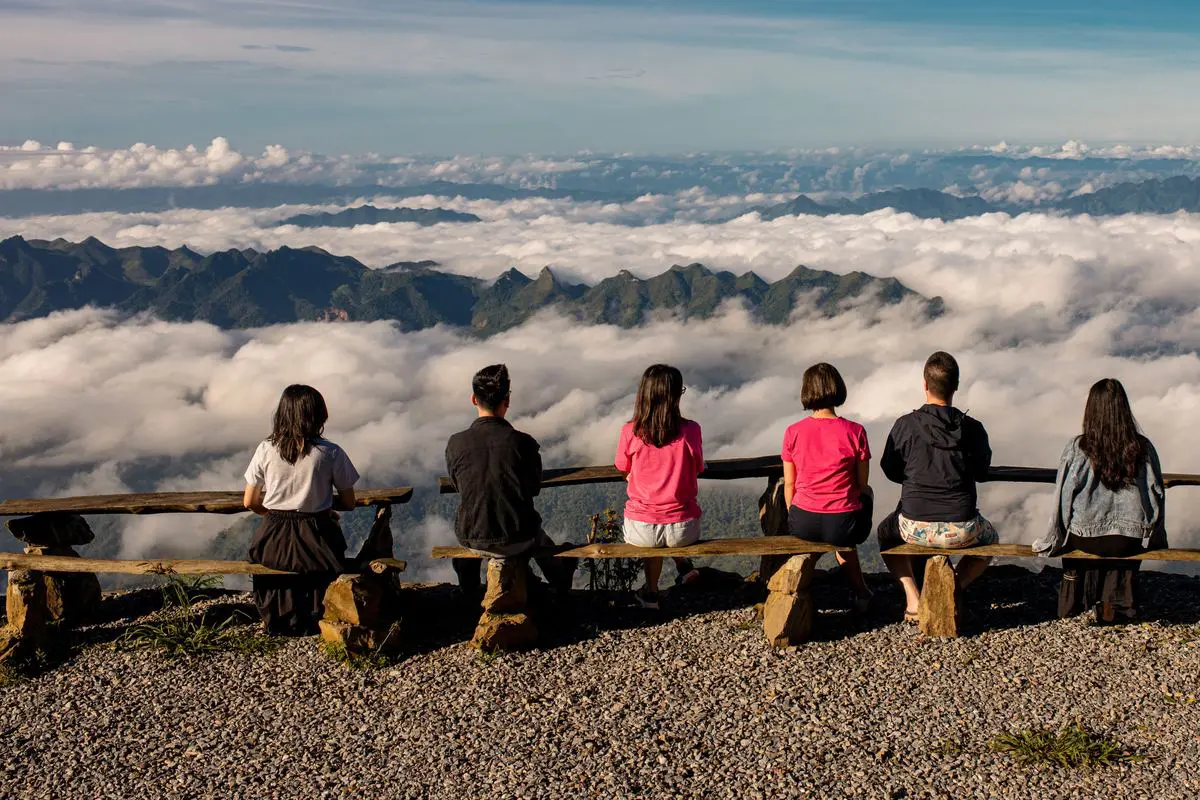
A national park day involves more than a permit. You still need the coach, gateway-town hotels, a restaurant that can feed 50 on schedule, and attractions that fill the rest of the itinerary.
Supplier Hub by GTO gives tour operators access to 30,000+ listed suppliers, with contacts, products, and pricing maintained by GTO’s accuracy team. Pair it with a simple CUA tracker for each park: the CUA holder, application window, status, insurance certificate date, and annual report deadline.
The NPS lists 42 units for 2027, including Grand Canyon, Yosemite, Acadia, Sequoia and Kings Canyon, Minute Man, and San Antonio Missions. The full list is on the NPS Road-based Commercial Tour CUAs page and in the online CUA system.
The business that assumes responsibility and liability for clients in the park needs it, which is usually the tour operator. Motorcoach companies providing chartered transportation only do not need an RBCT CUA.
No. RBCT CUAs are only for vehicles with a capacity of 16 or more passengers. Smaller-vehicle tours may need a different CUA, such as a Guided Interpretive Tour CUA, depending on the park.
Apply through the NPS online CUA system at cua.nps.gov. You submit a separate application for each park, and your stored profile carries your business details and documents into each one.
Yes. All CUA holders pay entrance fees, and RBCT holders pay based on vehicle size. Non-U.S. residents age 16 and older also pay a nonresident fee at 11 of the most visited parks.
CUAs are not the fun part of building a national park tour, but they protect everything that is. Check the list, confirm who holds each CUA, mark the windows, and get your insurance documents ready now.
Group Travel Odyssey was designed by tour operators for tour operators, bringing suppliers, proposals, trip management, and payments into one connected platform. Join the GTO waitlist to see how it can help your team plan the 2027 season with less scrambling.
Looking for something specific? Search our tour operator guides.
Quick self-check
How many systems are you really running?
Check any that sound familiar.
Join the WaitlistSeptember 13, 2026
Read MoreSeptember 10, 2026
Read MoreFebruary 20, 2025
Read More